Can Your Advertising Create Demand?

Advertising can take demand and drive it to your business. As a general rule, it won’t create demand where none exists. If people aren’t experiencing the problem you exist to solve, advertising won’t suddenly create that problem for them.

But there’s one exception — advertising may change the consumer’s perception of their situation. They may have been content with things, or may not have been aware that what they’re experiencing was unusual, or solveable. In that case, an ad campaign can create demand.

Deborah Brody’s blog tipped me off to an interesting story from the world of pharmaceuticals. According to MSNBC, GlaxoSmithKline managed to create a near-epidemic of restless leg syndrome by launching a campaign for a drug called Requip. Thousands of patients who either never realized they had a problem, or never thought there could be a solution, headed for their doctor’s offices after seeing the Requip ad on television.

“Restless legs syndrome is a great example of a suddenly out-of-the-blue disease,” said Dr. Christopher J. Earley, an associate professor of neurology at Johns Hopkins University in Baltimore who treats the disorder.

Advertising created an overheated demand for diagnosis among consumers, while easy-to-dispense drug samples provided a convenient response for busy doctors, he said.

Now, however, the first generics are going on the market, so Glaxo has pulled the campaign. Some experts are predicting a decline in the reported prevalence of the disorder. Advertising giveth, and advertising taketh away.

Here in Portland, a local roofing company has created a market for roof inspections. Roof Life of Oregon has been running a radio campaign recommending a roof inspection every five years. Until now, most homeowners wouldn’t think about their roof until a problem made itself evident. Roof Life has managed to convince them to allow the company to “look under the hood” on a regular basis. This brings in some inspection revenue, establishing a regular relationship with the homeowner, and increases the chances of getting the job when replacement becomes necessary.

Can you get your prospects to recognize a problem they didn’t know they had?

___________________________________________________________________________________

Click this link to subscribe to Portland’s Finest Advertising Blog.

Request your free copy of my white paper, The Seven Deadly Advertising Mistakes and How to Fix Them here.

Got a question? Call me at 503-323-6553.


Can a Blog Post Resolve a Service Issue? A SuperBookDeals Experiment

When I was a kid, my mom used to listen to Jack Carney’s show on KMOX Radio in St. Louis. Carney was the biggest personality on the biggest radio station in town, and he did endorsement commercials for a camera shop. My mom went to that store and… I can’t remember the details anymore, but she felt she was treated poorly.

She called the radio station, managed to get Carney on the phone, and told her story. Within 30 minutes of that conversation, the store manager called my mom and offered to do whatever it took to make things right.

In the age of the internet, can a blog post accomplish the same thing? We’re going to give it a try. Here’s the story.

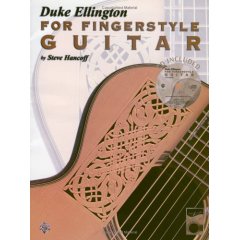
I ordered a book from Amazon.com — actually from one of their “Marketplace Partners”, an outfit called SuperBookDeals. Here’s the book I ordered:
When the envelope from SuperBookDeals arrived, here’s what was inside:
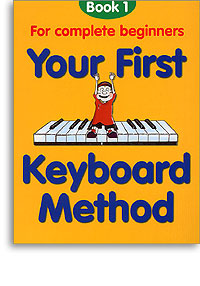
Can we agree that it’s not even close? And that anyone who reviews my Amazon order will confirm that I ordered the Ellington book?

Okay, good. Let’s continue.

I emailed SuperBookDeals and told them of the mistake — their mistake, by the way. I received an email asking for the ISBN number of the book I received. I sent them the proper number. Here’s what I got in reply:

Thank you for contacting us. We are sorry to hear that you received the wrong item. Please return the item(s) to us via USPS Media Mail with delivery confirmation, along with your full name, order number, reason for return, and a copy of the receipt for return postage, and we will reimburse the cost of return shipping. Please send the item(s) to:

SuperBookDeals Returns

Ref: [transaction or order number]

5520 Brick Road

South Bend, IN 46628

Upon receipt, we would be pleased to process a refund or order a replacement from the publisher, which would take approximately 1-2 weeks to be delivered to you. Please let us know whether you would prefer a refund or a replacement copy (if available). We apologize for any inconveniences this may have caused, and we appreciate your patience in this matter.

In other words, to correct their mistake, I have to write out a letter with a bunch of information they already have, take the book to the post office, shell out the postage myself, include the receipt with the book (God forbid I try to make an extra fifty cents in the deal), and wait for them to receive it via (extremely slow) Media Mail. Then, and only then, they will send me the book they should have sent me the first time.

I objected — both to them and to Amazon. I’m willing to return the book, but while they’re waiting for the wrong book to come back they should be sending me the right book. Eventually, I received another email from SuperBookDeals:

Thank you for contacting us. We do apologize for the confusion and that you received the wrong item, as we did indicate in our email below, to please return the wrong item via USPS Media Mail with Delivery Confirmaton and we will be happy to reimburse you for that cost. Once you have done that please email us with the delivery confirmation number and we will be happy place a new order to send you the correct item. At that time if you could also email us with us the cost of the return shipping we can start the process to send you a refund check for that amount. Again, we do sincerely apologize incorrect item sent.

Okay, better. Not great, but better. I dutifully wrote the letter, brought the package to the post office, put the receipt in the envelope, mailed the thing, and then sent the delivery confirmation number to SuperBook Deals.

And got this reply:

Thank you for your response. At of yet we have not received your return merchandise. The delivery confirmation number you provide is invalid. Please provide us with the correct delivery confirmation number. Once we have that number or the book we will immediately ship out the correct book. If you have any further questions please contact us. Thank you!

No, no, thank you, SuperBookDeals, for screwing up my order and treating me like I’m trying to pull a scam.

I now have to go back to my office, find the delivery confirmation slip, and see if perhaps I missed a number on the 20-digit delivery confirmation slip. Is it possible I got the number wrong? Sure it is. And by golly, SuperBookDeals isn’t going to fix their mistake until I jump correctly through every single hoop they’ve set up. Rules are rules, after all.

So here’s the experiment:

Now that this rant is up in the blogosphere (and a separate, shorter rant is on Amazon’s Customer Feedback), will it affect SuperBookDeals in any way?

Will a Google search of SuperBookDeals put the post on the front page?

Will SuperBookDeals find the post on their own? Will Amazon? Will either of them care?

I’ll report back.

UPDATE 5/19/08 This morning, I photocopied the delivery confirmation slip, created a pdf, and attached it to an email to SuperBookDeals — my hope was that this way they would have proof that I’d sent the book, and there would be no question as to the confirmation number. Late in the day, I received this message in reply: We are not allowed to open attachments please include the information in the email. Thank you. I have complained bitterly to Amazon.

UPDATE 5/21/09 Amazon took care of business. Details here.
An Interesting Place to Put Your Cigarettes

“I’m sitting on the porch of a bungalow on the Yucatan Peninsula with lit cigarettes sticking out of both my ears.”

That’s the opening line of Six Bad Things by Charlie Huston. The narrator has consulted a doctor because his ears were clogged, and the cigarettes were the prescription:

“When my ears become clogged, I must stick a cigarette into each one and light them. The cigarettes, that is…

The cigarettes burn and create a vacuum in my ears, sucking the moisture into the filters. I have a towel draped over each shoulder to catch the hot ash as it falls. I’ve been doing this for a couple of days a week for years and it always works.”

In the pharmaceutical world, this would be called an “off-label use” – using a medicine for something other than it’s officially-approved purpose. And the concept may be a great way for you to get through an economic downturn.

New circumstances create new problems. If you can repurpose your existing product, service or skills, you may be able to create a new revenue stream. For example:

  • Recognizing the public’s increasing fear of germs, Kleenex came out with a line of anti-viral tissues.

  • As mortgage jobs have disappeared in many parts of the country, resilient loan officers have found new demand for their skills as “workout specialists”, helping homeowners avoid foreclosure.

  • Looking for an edge in the competitive aesthetic medicine market, a New York doctor decided to specialize in tattoo removal. Aging hipsters have flocked to his practice.

Take some time to gather your front-line employees, and brainstorm a bit. What’s the most unusual request you ever received from a customer? Were you able to solve the problem?

Other customers might have the same problem – perhaps they’d pay you to fix it.

____________________________________________________________________________________

Click this link to subscribe to Portland’s Finest Advertising Blog.

Request your free copy of my white paper, The Seven Deadly Advertising Mistakes and How to Fix Them here.

Got a question? Call me at 503-323-6553.

If You’re In The Voiceover Business

Does this describe you? Thanks to Dan O’Day  for tipping me off.


[youtube=http://youtube.com/watch?v=DSLqZbSrnIQ]


I should also mention that Todd Tolces would make a lousy orthodontist — but he’s a heck of a voice talent. Find out more about Todd here.


____________________________________________________________________________________

Click this link to subscribe to Portland’s Finest Advertising Blog.

Request your free copy of my white paper, The Seven Deadly Advertising Mistakes and How to Fix Them here.

Got a question? Call me at 503-323-6553.